ABOUT EMCO PUMP & WATER SYSTEMS
SERVING EASTERN CANADA
history
Our History
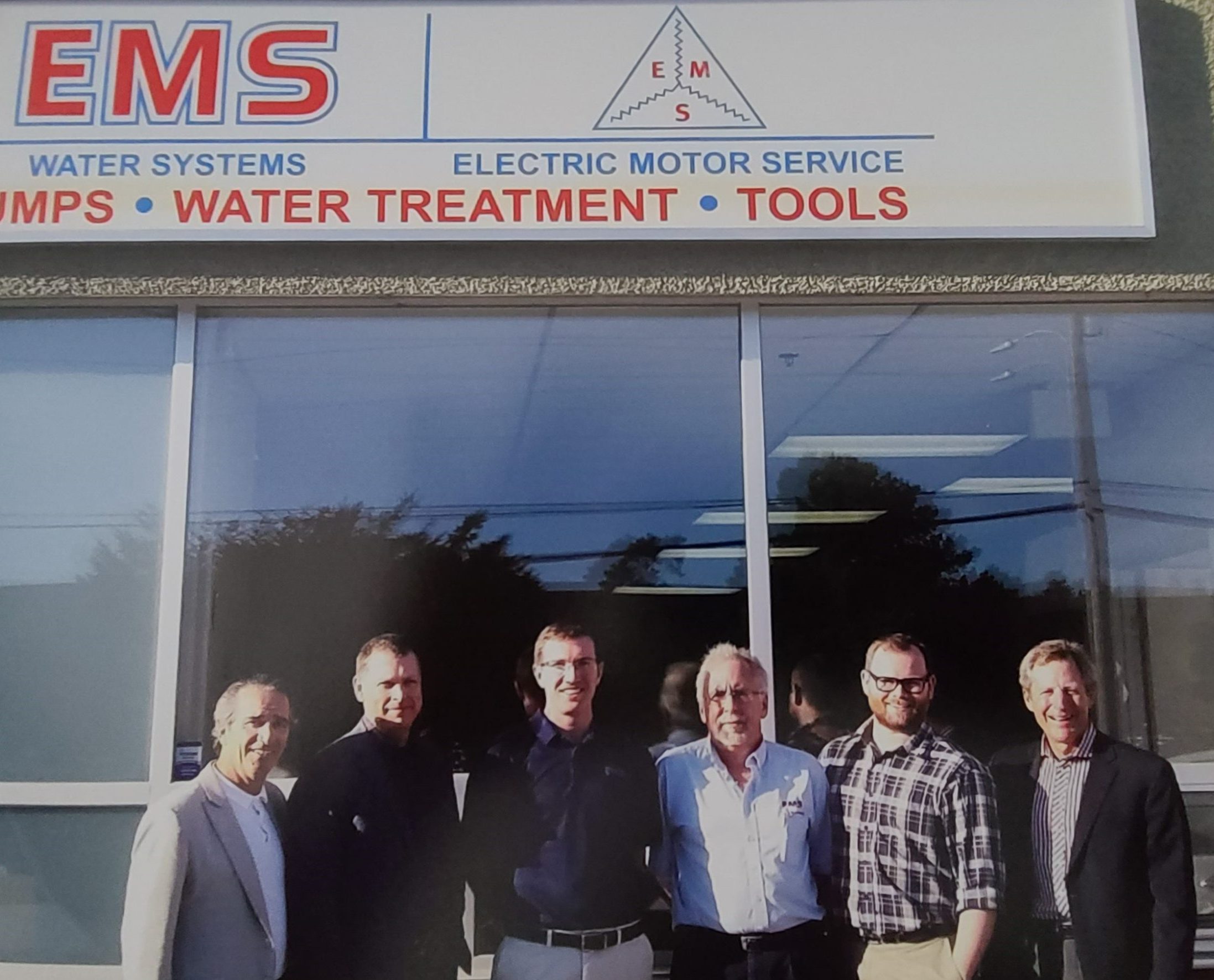
The evolution of EMCO Pump & Water Systems (Formerly EMS Water Systems) aligns with the development of other entities within the water industry. Established in Fredericton, NB in 1959 as Electric Motor Service, the company initially focused on motor repair services. As the business grew and diversified, the inclusion of motors for water pumps prompted the eventual integration of water treatment products into their offerings.
This led to its acquisition nearly 50 years later by EMCO Corporation in 2006 and the establishment of EMS Water Systems. With three locations in Atlantic Canada, totaling over 20,000 sq. ft. of warehouse, showroom, and office space, EMCO Pump & Water operates as a multi-faceted entity, serving as a distributor, wholesaler, retailer, and service center.
EMCO Pump & Water prides themselves on their collaboration with their clients. We provide solutions through comprehensive design and selection, installation guidance, on-site start-up and commissioning, and industry expert after-sales support. We strive to forge long standing partnerships by providing custom engineered solutions that we stand behind.
Team
Our Team
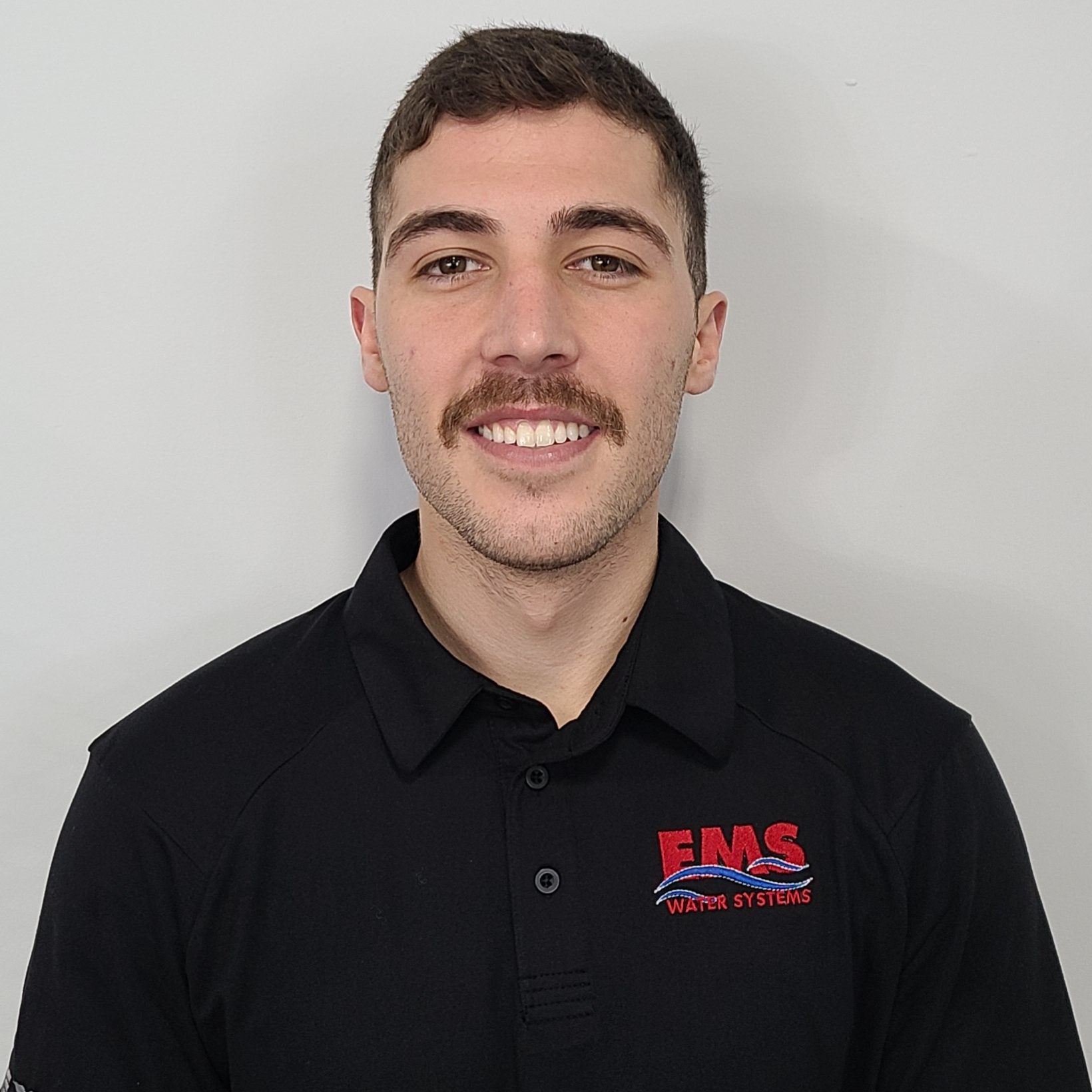
Dryden Gould
Manager
Dryden joined the EMCO Pump & Water Systems team in April of 2021. Before joining EMCO Pump & Water Systems, he was a teammate at one of our EMCO PC’s in Kentville, NS. After University, he joined EMCO as a Strategic Development Trainee where he was exposed to all facets of the business. He quickly developed a keen interest in the operational side of business, and eagerly jumped at the opportunity to join EMCO Pump & Water Systems as an Operations Specialist. Dryden strives for operational excellence and is always searching for ways to improve/simplify our processes. Dryden’s commitment to excellence and customer service has earned him the role of Manager at EMCO Pump & Water Systems.
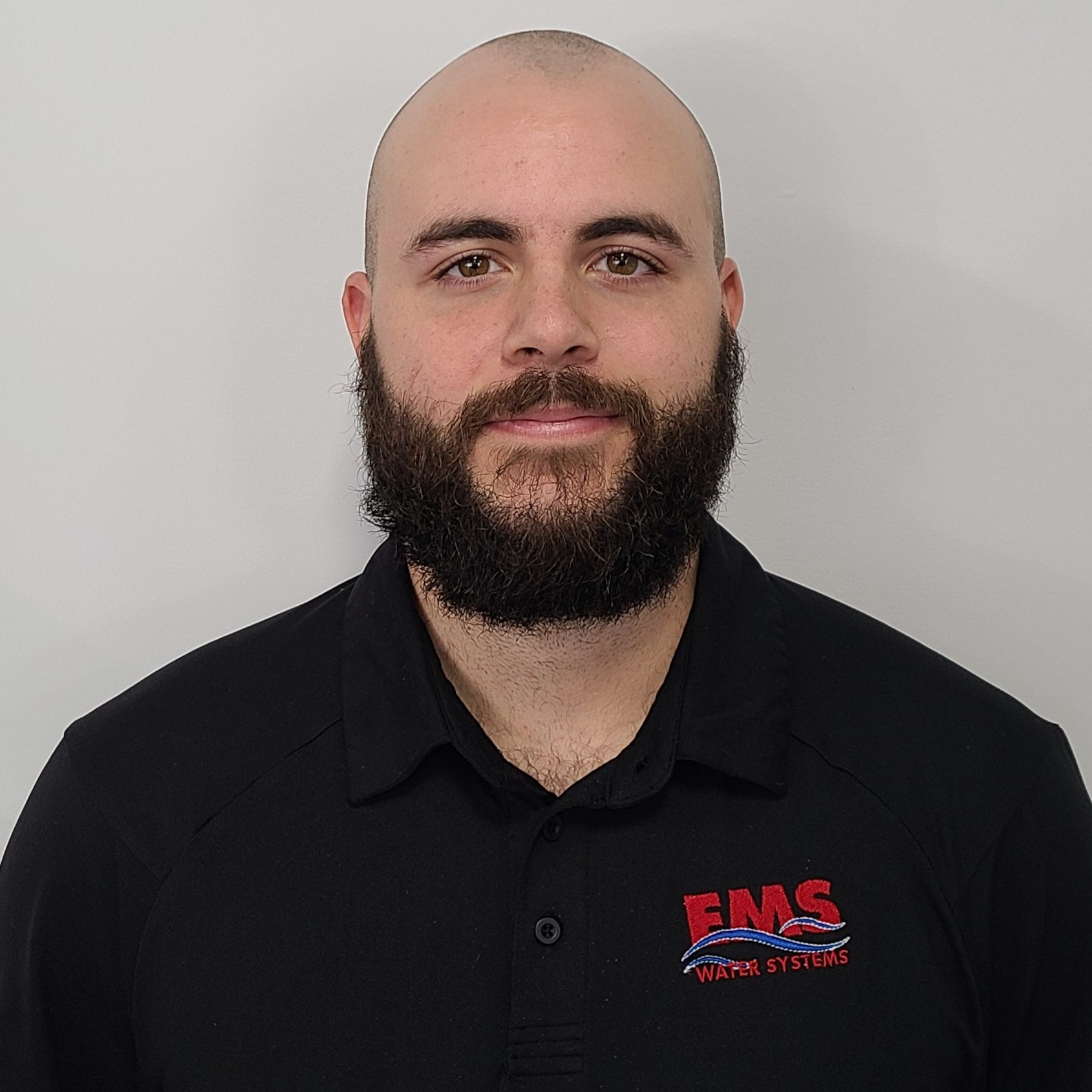
alberto serracin-pitti, P.Eng
Project Engineer
Alberto graduated from Dalhousie University’s Bachelor of Chemical Engineering program in 2019. During his schooling, Alberto has gained experience in industrial manufacturing and research and development while being an engineering co-op student at PepsiCo – Frito Lay and Cape Cod Finished Wood Siding. Alberto joined the EMCO Pump & Water Systems team in the summer of 2019, allowing him to enter a field of work that has always been his passion – water. Alberto spends his days designing and supplying water treatment and pumping systems for a range of industries – residential, mining, aquaculture, and food and beverage, to name a few. Alberto has been working toward receiving his Professional Engineering designation which will be received in the summer of 2022. With regular technological advancements in the industry, Alberto prides himself on staying up to date and continually learning as much as he can.
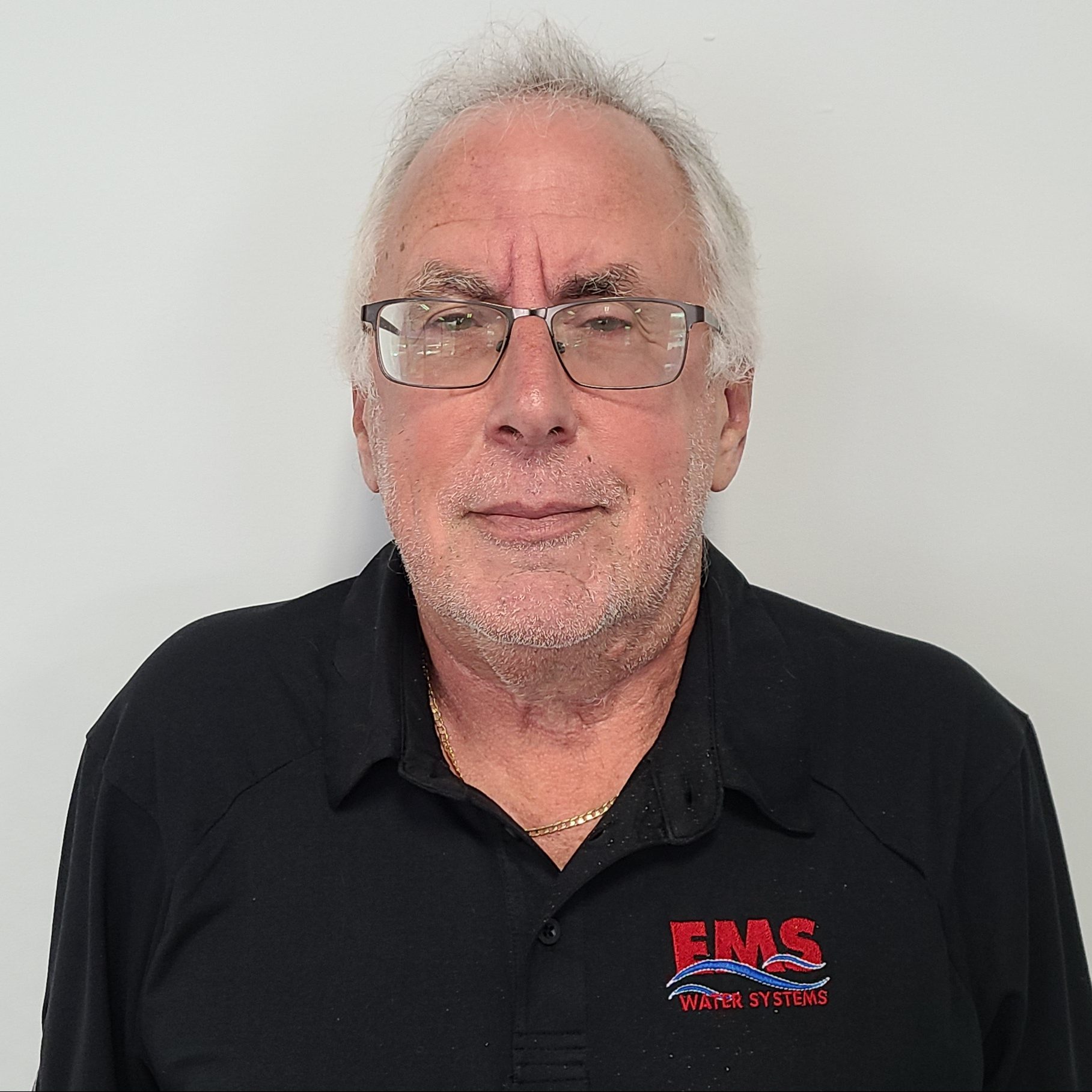
david pentz
Technical Sales
As the longest standing member of the EMCO Pump & Water Team (Formerly EMS Water Systems), Dave is a wealth of knowledge in technical applications for pump and water treatment systems as well as regional hydrogeology. With over 40 years of experience in the industry spread out across Canada, Dave can pull from a vast array of experience on job sites to assist in design, install, and commissioning of our projects as well as mentor our developing talent pool within our office.
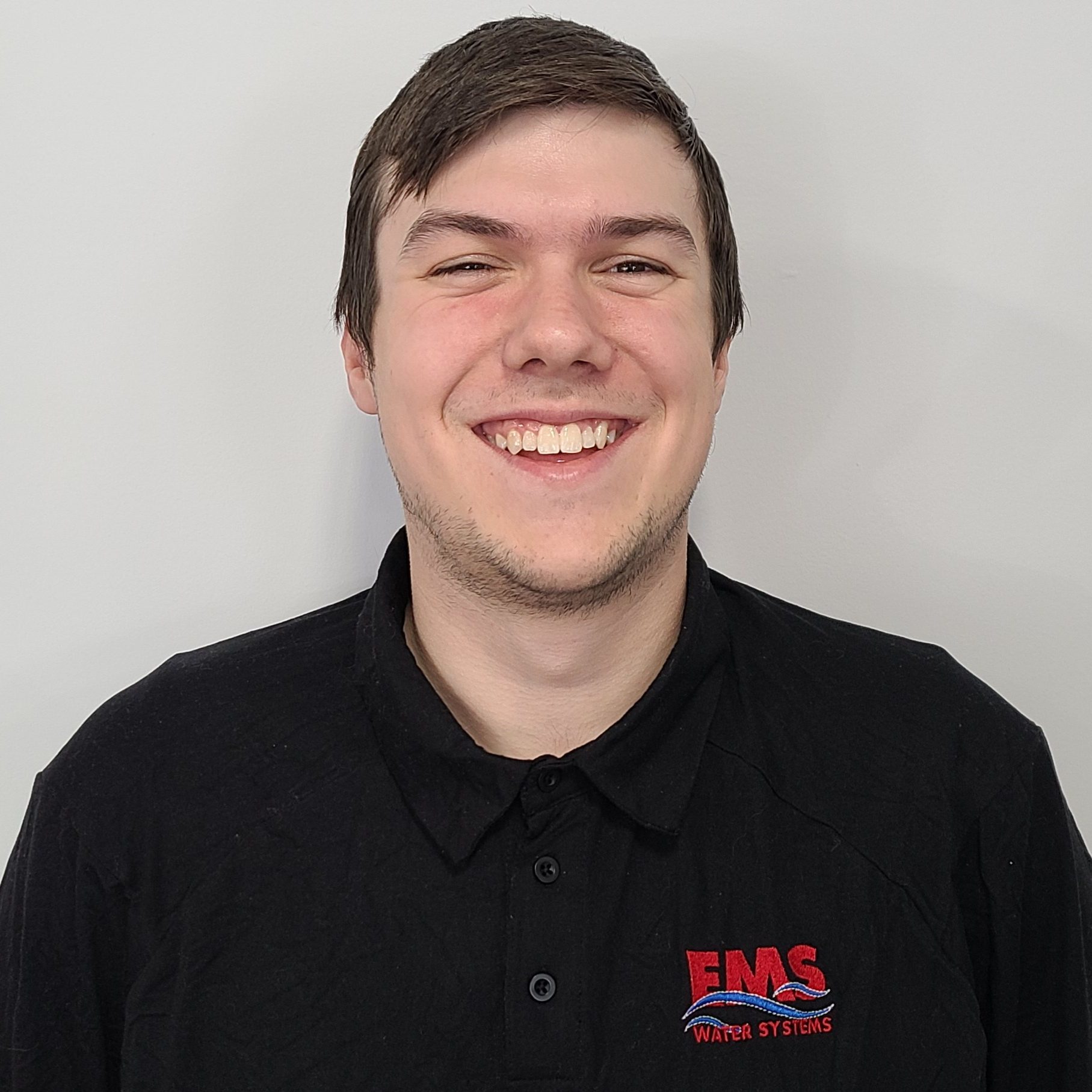
Matt Smith
Inside Account Manager
Matt graduated from his business course at NSCC in 2021 and subsequently went on a job hunt right after graduation. He then was approached by EMCO Pump & Water (Formerly EMS Water Systems), a part of EMCO Corporation, and accepted the role after previously working in a customer service role for 8 years starting at the young age of 15. Matt was brought into the company with no previous experience but was very eager to learn more about the industry every day. He began in the Strategic Development Program – a program that allowed him to touch on everything that is done at EMCO Pump & Water Systems. He quickly became a customer favourite and has naturally grown into the role of Inside Account Manager. Matt is often the first point of contact for many, and is always eager to share his knowledge with others.
did you know
did you know
Water is generally classified into two groups
Surface Water
Surface water is just what the name implies; it is water found in a river, lake or other surface impoundment. This water is usually not very high in mineral content, and many times is called “soft water” even though it usually is not. Surface water is exposed to many different contaminants, such as animal wastes, pesticides, insecticides, industrial wastes, algae and many other organic materials. Even surface water found in a pristine mountain stream possibly contains Giardia or Coliform Bacteria from the feces of wild animals, and should be boiled or disinfected by some means prior to drinking.
Ground Water
Ground Water is that which is trapped beneath the ground. Rain that soaks into the ground, rivers that disappear beneath the earth, melting snow are but a few of the sources that recharge the supply of underground water. Because of the many sources of recharge, ground water may contain any or all of the contaminants found in surface water as well as the dissolved minerals it picks up during it’s long stay underground.
Waters that contains dissolved minerals, such as calcium and magnesium above certain levels are considered “hard water” Because water is considered a “solvent”, i.e., over time it can break down the ionic bonds that hold most substances together, it tends to dissolve and ‘gather up’ small amounts of whatever it comes in contact with. For instance, in areas of the world where rock such as limestone, gypsum, fluorspar, magnetite, pyrite and magnesite are common, well water is usually very high in calcium content, and therefore considered “hard”.
Due to the different characteristics of these two types of water, it is important that you know the source of your water — Surface or Ground. Of the 326 million cubic miles of water on earth, only about 3% of it is fresh water; and 3/4 of that is frozen. Only 1/2 of 1% of all water is underground; about 1/50th of 1% of all water is found in lakes and streams. The average human is about 70% water. You can only survive 5 or less days without water.
Water for drinking, cooking, and other domestic uses should be of good quality. It should be free from organisms that may cause disease and free from chemical substances and radioactive matter that may pose a health risk. The water should be aesthetically appealing, which means that it should have no objectionable taste, smell, or colour.
Homeowners are responsible for monitoring their well water quality
Harmful bacteria or chemicals can be present in drinking water that tastes, smells, and looks acceptable. Water quality may be affected by both natural and man-made sources. Some of the potential concerns about groundwater quality include weathering and erosion of minerals and metals from certain geological formations, saltwater intrusion, de-icing road salt, sewage disposal systems, animal wastes, petroleum products, industrial effluent, landfills, and pesticides.
Guidelines for Canadian Drinking Water Quality
You will need to understand two technical terms to be able to interpret the results:
• Maximum Acceptable Concentration (MAC) is a level that has been established for certain substances that are known or suspected to cause adverse health effects.
• Aesthetic Objective (AO) is established for parameters that may impair the taste, smell, or colour of water or which may interfere with the supply of good quality water.
Detection Limit
The detection limit is the lowest concentration of a chemical that can be reliably measured. It may be referred to on a lab report as DL, RDL (reporting detection limit), or RL (reporting limit).
The detection limit depends on the equipment used for analysis and the method of analysis. It can also be affected by the concentration of other parameters present in the water. For example, if the concentration of calcium is very high, it can elevate the detection limit of another parameter. To compare the concentration of a parameter to the Canadian drinking water quality guideline (if one exists), the detection limit must be less than the guideline.
Some labs do not report the detection limit. However, you can still determine the detection limit used for each parameter from the lab report. For example, if the detection limit of a parameter is 2 mg/L and the level of the parameter is below the detection limit, the result will be listed as “< 2” (less than 2 mg/L).
If the detection limit is greater than the guideline, you should consult the laboratory where the analysis was done. The laboratory will inform you of the options available for reporting the parameter of concern with a lower detection limit.
Units
Laboratories may report the concentration of parameters in milligrams per litre (mg/L) or micrograms per litre (μg/L or ug/L).
There is a BIG difference: 1 mg/L is equal to 1000 μg/L.
When looking at the results from a lab and comparing them to previous results, or to the results from a different lab, or to the Guidelines for Canadian Drinking Water Quality, make sure the units are the same.
1 mg/L = 1000 micrograms per liter (μg/L)
1 mg/L = 1 part per million (ppm)
1μg/L = 1 part per billion (ppb)
Interpreting water quality results
Compare the results of your water quality analysis to the Guidelines for Canadian Drinking Water Quality. Some labs will identify the parameters that exceed the guidelines for you.
• If your water exceeds a MAC, take action to eliminate the problem or install treatment.
• If your water exceeds an AO, you may choose to treat your water for two reasons:
1. to prevent staining, scaling, or corrosion of plumbing fixtures and appliances
2. to make it more pleasing to consume